
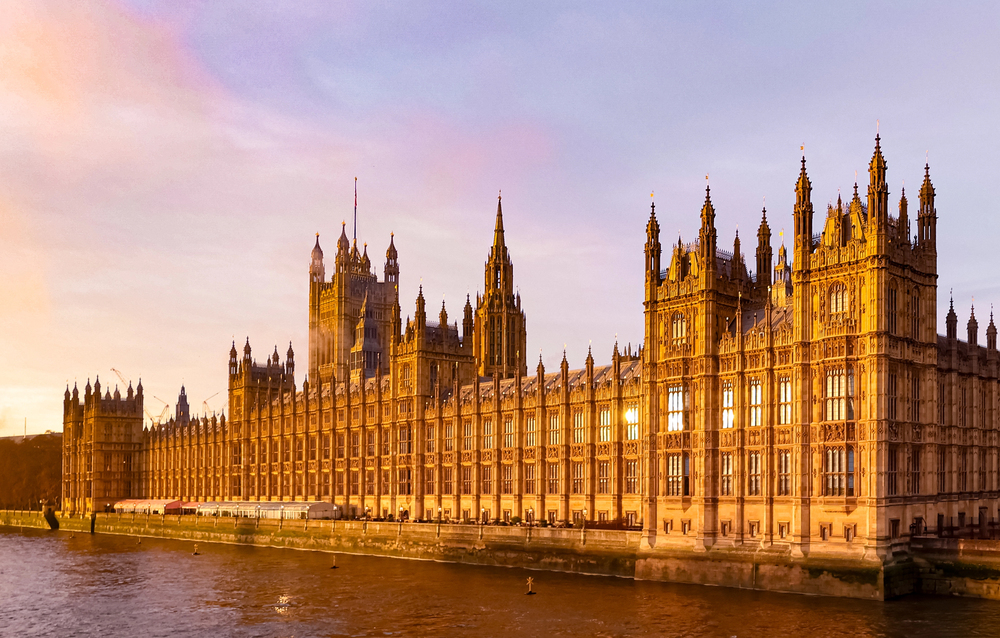

In the UK, a Bill becomes law (an Act of Parliament) after being proposed, debated, and approved by both the House of Commons and the House of Lords, and then receiving Royal Assent from the Monarch.
The process involves several stages, including introduction, readings (where principles are debated), committee scrutiny (detailed examination and amendments), report stages, and final approval in each House, followed by the formal signing by the King or Queen.
What a bill is
A bill is a proposal for a new law, or a proposal to change an existing law, presented for debate in Parliament. It can start in either the Commons or the Lords.
The route through Parliament
Every bill faces the same core stages in each House:
First reading
Second reading
Committee stage
Report stage
Third reading
After the bill completes third reading in both Houses, each House considers amendments made by the other House until both agree identical wording.
Stage 1: First reading
First reading is a formal introduction with no debate. In the Commons, the short title is read out and an order is made for the bill to be printed and published. In the Lords, the long title is read out and the bill is introduced without debate.
What first reading tells you is simple: a bill now exists in a published form and has entered the parliamentary timetable.
Stage 2: Second reading
Second reading is the first full debate on the main principles of the bill.
In the Commons, the member responsible for the bill opens the debate, opposition spokespersons respond, and other MPs contribute. The House then decides whether the bill should proceed by voting on second reading.
In the Lords, members debate the main purpose and key principles, and flag areas where changes are needed.
Second reading often sets the political shape of the bill. The central question is whether Parliament accepts the idea of the bill at all, before the line by line work begins.
Stage 3: Committee stage
Committee stage is detailed scrutiny. This is where the bill is examined line by line and amendments are debated.
In the Commons, most bills go to a Public Bill Committee. If the bill starts in the Commons, the committee can take evidence from experts and interest groups outside Parliament. Amendments for discussion are selected by the committee chair, and only committee members can vote on amendments in committee stage.
In the Lords, committee stage is line by line scrutiny with amendments and votes on changes. Any member can take part and there is no time limit.
This stage is where wording becomes law. Small drafting changes can have large legal effects, so committee work often focuses on definitions, scope, enforcement powers, and limits.
Stage 4: Report stage
Report stage gives the House a further chance to examine the bill and make changes through more amendments and votes.
A practical way to think about report stage is as a second quality control pass after committee, with wider participation and a renewed opportunity to test the bill’s logic, clarity, and real world impact.
Stage 5: Third reading
Third reading is the last stage in each House.
In the Commons, it is the final chance to debate what is actually in the bill. Amendments cannot be made at third reading in the Commons. The House votes on whether to approve third reading.
In the Lords, third reading functions as a final check, often described as a tidying stage. Amendments can be made at third reading in the Lords in limited circumstances.
After third reading, the bill moves to the other House if it has not already completed that House’s stages.
What happens in the other House
A bill that starts in one House then goes through the same stages in the other House. Both Houses need to pass the same text before the bill can move to Royal Assent.
If the second House amends the bill, it returns to the first House for consideration of those changes.
Consideration of amendments and ping pong
Once a bill has completed third reading in both Houses, it returns to the House where it started so that House can consider amendments made by the other House.
If the Houses do not agree, the bill can move back and forth until both Houses reach agreement on the exact wording. This back and forth is often called ping pong.
There is no set time period between third reading and consideration of amendments.
Royal Assent
Once the bill completes all parliamentary stages in both Houses, it is ready for Royal Assent. This is when the King formally agrees to make the bill into an Act of Parliament.
There is no set time period between the end of the amendments stage and Royal Assent.
Where bills slow down or stop
Bills often stall at predictable pressure points:
Second reading, where the House rejects the bill’s core idea.
Committee and report stages, where disagreements over wording, scope, or powers can delay progress.
The amendments stage, where the Houses cannot agree the final text.
Bill to Law FAQs
Can a bill start in the House of Lords?
Yes. A bill can start in either the House of Commons or the House of Lords, then it must pass through stages in both Houses.
What happens at first reading?
First reading is a formal introduction without debate. In the Commons the short title is read out and the bill is ordered to be printed. In the Lords the long title is read out and the bill is introduced without debate.
What is the difference between second reading and committee stage?
Second reading focuses on the bill’s main principles and purpose. Committee stage is detailed scrutiny where the bill is examined line by line and amendments are debated.
What is ping pong?
Ping pong is the back and forth process where each House considers amendments made by the other House until both agree the exact wording of the bill.
When does a bill become law?
A bill becomes law after it completes all stages in both Houses, both Houses agree the same final text, and the bill receives Royal Assent.