
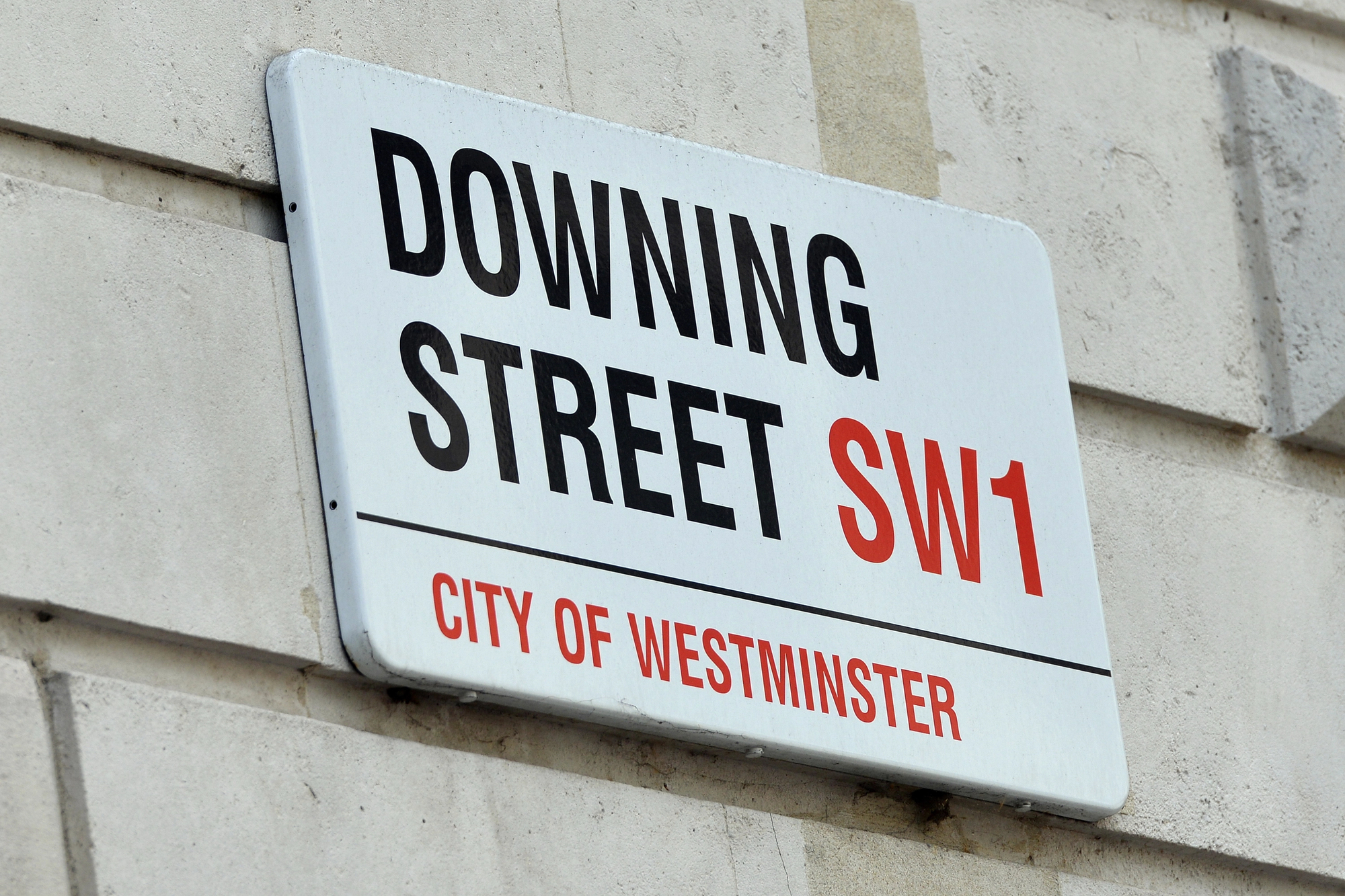

The UK Prime Minister is powerful, but not because the job comes with a single written list of powers. The power comes from three places: the ability to command a majority in the House of Commons, control of government machinery through conventions, and a cluster of legal powers that sit with ministers, including powers exercised under the royal prerogative.
If the Prime Minister keeps the confidence of the Commons and their own party, they can drive most of the government’s agenda. If they lose either, the job shrinks fast…
Where the Prime Minister’s power comes from
Parliamentary confidence
In the UK system, a government survives and passes laws by winning votes in the House of Commons. The Prime Minister’s day-to-day strength is basically the size and discipline of their Commons majority.
Constitutional convention
A lot of what matters is not written into one “Prime Minister law”. The Cabinet Manual spells out that many features of the Prime Minister and Cabinet are governed largely by convention, even though ministers’ powers also derive from statute, royal prerogative, and common law.
Law and formal powers used by ministers
Some major actions are taken under powers still classed as prerogative, even though ministers use them in practice.
What the Prime Minister can do in practice
Set the government’s direction and priorities
The Prime Minister is described by government guidance as the leader of His Majesty’s Government and ultimately responsible for policy and decisions.
That translates into deciding what gets pushed first, what gets dropped, and what departments are told to make happen.
Appoint and dismiss ministers
This is one of the Prime Minister’s biggest real levers. They choose the Cabinet, reshuffle jobs, and remove ministers. Parliament’s own explainer on government describes Cabinet ministers as chosen by the Prime Minister to run departments.
If you want to know why policies change shape, start with who has the job this week.
Control Cabinet decision-making through chairing and committees
The Prime Minister chairs Cabinet and can route decisions through Cabinet committees. Cabinet committees can take collective decisions that are binding across government.
That matters because it decides who is in the room, what information is seen, and how quickly something moves.
Direct the centre of government and the Civil Service at the top level
The Prime Minister is always the Minister for the Civil Service, a role created in 1968, with authority framed in statute including the Civil Service (Management Functions) Act 1992.
In normal English, they sit at the top of the machine that turns political priorities into instructions, budgets, and delivery.
Lead in Parliament and defend the government publicly
The Prime Minister is the principal government figure in the House of Commons, per government guidance.
They also face direct scrutiny in the Commons, including Prime Minister’s Questions, held each sitting Wednesday from midday.
Represent the UK internationally
The Prime Minister is the main voice of the UK government at summits and in bilateral meetings. This is partly optics, partly power, because international commitments often shape domestic policy choices.
Advise the Monarch on many formal acts
A lot of the Monarch’s formal actions happen on ministerial advice. The Institute for Government explains that appointing a Prime Minister is one of the remaining prerogative powers of the Monarch, even though politics decides who can command the Commons.
The same “advice” logic runs through many appointments and formal acts, even when the decision is politically driven.
Authorise major national security actions through executive powers
Many defence and security actions sit in the space where ministers act under prerogative powers. The Commons Library briefing on the royal prerogative covers how prerogative powers and ministerial advice operate across government, including areas linked to armed forces and public appointments.
In practice, big military action often involves Parliament politically, but the legal shape of the power is not the same as passing a bill.
What the Prime Minister cannot do alone
They cannot make laws by themselves
Parliament passes laws. A Prime Minister can push a bill, threaten a rebellion, and apply pressure, but they still need votes.
They cannot spend money without Parliament
Government spending is tied to parliamentary approval and budget processes. The Prime Minister can set priorities, but money still has to be authorised through Parliament’s mechanisms.
They cannot ignore the courts
Ministers are subject to the law, and courts can rule on whether ministerial action is lawful. The Cabinet Manual is explicit on this point.
They cannot govern if their party turns
The Prime Minister is the leader of the governing party. If that support collapses, the premiership can end quickly even if the Commons arithmetic has not yet changed.
They cannot override devolution at will
Scotland, Wales, and Northern Ireland have devolved powers. The UK government has tools and pressure points, but it cannot just treat devolved policy as a Downing Street memo.
A simple way to judge any claim about the Prime Minister’s power
When you see “the Prime Minister will do X”, run it through five checks:
- Does X need a new law
- Does X need new money approved
- Is X mostly an executive choice inside government
- Does X sit in prerogative territory where ministers act without a bill
- Will the Prime Minister’s party and Commons numbers support it
If the action needs a law and there is no majority, it is talk. If it is an internal government choice, it is often real, fast, and messy.
The UK Prime Minister can set direction, control senior appointments, steer Cabinet decision making, and drive a legislative program when they hold party discipline and Commons numbers. That is real power, and it shows up in what gets prioritized, how fast it moves, and which ministers get told to make it work.
At the same time, the job has hard rails. Laws still need Commons majorities. Spending still runs through parliamentary approval. Courts can block unlawful action. A Prime Minister who loses their party or the confidence of the House stops being a decision maker and becomes a caretaker.
You may also like: