

In the UK, taxes fund general public services, fees pay for specific services received (like a licence), and fines are penalties for breaking laws, aimed at punishment/deterrence, not service provision, with the key difference being purpose: taxes for general good, fees for direct service, fines for wrongdoing. While taxes are compulsory contributions, fees are “requited” (a service is provided), and fines penalise rule-breaking, often for minor crimes like speeding.
Taxes
- Purpose: Fund general government services (roads, NHS, defence).
- Nature: Compulsory, unrequited (not for a direct service to you).
- Examples: Income Tax, VAT, Council Tax.
Fees
- Purpose: Cover the cost of a specific service provided to the payer.
- Nature: “Requited” (you get something for it), can be compulsory or voluntary.
- Examples: Driving licence fee, passport application fee, parking charges (sometimes).
Fines
- Purpose: Punish and deter illegal or undesirable behaviour (e.g., speeding, minor theft).
- Nature: A penalty for breaking a law or rule, not a payment for a service.
- Examples: Parking tickets (PCNs), speeding tickets, court fines for offences.
Most arguments about money and government start with a vocabulary problem. Taxes, fees, and fines all involve paying the state, yet they exist for different reasons, run through different rules, and carry different expectations about what you get in return…
The simplest way to tell them apart
The cleanest distinction is purpose. Taxes raise money for general spending. Fees pay for a specific service or permission. Fines punish a breach of a rule, with deterrence as the goal.
Purpose is the real divider
A tax is raised to fund government activity in general. The payment is not tied to a specific service delivered to you at the point of payment. You pay, the state allocates.
A fee is charged for something identifiable: an application, an inspection, access to a facility, a licence, a certificate, or a booking. The link between payment and service is direct, even if the fee is set by law and even if you dislike paying it.
A fine is a penalty. It arises after a rule breach, not before a service. The intention is to discourage repeat behaviour and signal that the rule has teeth.
What you receive tells you a lot
With a fee, you receive something concrete: a document, a right to do something, or use of a resource. You can point to the output. Even when the fee feels steep, the structure still links payment to a transaction.
With taxes, the return is collective and indirect. Roads, hospitals, courts, policing, defence, schools, and local services sit inside that pool. Your payment is part of a shared funding model, not a receipt for a single item.
With fines, the return is not a service to you. The state is correcting conduct and protecting the rules of the system. If a fine funds services, that is incidental. The fine exists even if the government budget is healthy.
Timing also separates them
Taxes are planned into the system. They recur by design, tied to income, spending, property, profits, or transactions.
Fees show up when you request something, renew something, or use something. No request, no fee.
Fines arrive after an infraction. No infraction, no fine. That is why fines feel personal and accusatory, while taxes and fees usually feel administrative.
Taxes: what they are and how they work
Taxes are the primary way modern states fund ongoing obligations. They are broad, recurring, and designed to be predictable at scale.
Taxes fund general spending, not a single service
Income Tax funds the state, not your GP appointment. VAT funds the state, not the one pothole you hit. Council Tax supports local services, not a single bin collection.
That is why tax debates often turn emotional. People want a clear link between payment and benefit, yet the model is collective. The state gathers money, then allocates it through budgets and political choices.
This is also why a tax can be unpopular even when a person uses public services heavily. The payment is visible, while the value is spread across time, risk, and the wider community.
Taxes are compulsory, even when you disagree
A tax is not a purchase. You cannot opt out on principle if the law applies to you. Enforcement sits behind the system, from penalties to court action.
The legal framework also matters. Tax law defines who pays, what counts as taxable, what relief exists, and what happens if someone does not pay. That framework aims for consistency, even if policy shifts with politics.
In practical terms, a tax tends to have these traits:
- It applies broadly to people or transactions
- It funds a wide range of activities
- It is recurring, not a one-off
- It has a strong enforcement pathway
Examples that fit the definition cleanly
In the UK, common taxes include Income Tax, National Insurance contributions, VAT, Corporation Tax, Fuel Duty, and Council Tax. Each is set up to fund government activity in general.
Some taxes feel like they target a behaviour, such as duties on tobacco or alcohol. Even then, the mechanism is still a tax: broad collection for general spending, with a policy goal layered on top.
If the charge applies whether or not you asked for a service, it is usually a tax.
Fees: paying for a specific service or permission
Fees sit closer to a transaction. They cover the cost of a service, regulate demand, or fund the administration required to deliver a specific permission.
Fees are tied to a service, even when set by law
A driving licence fee pays for processing, issuing, administration, and governance around licensing. A passport fee pays for application handling, document production, and verification.
A fee can still be mandatory in practice. If you want to drive legally, you pay the fee for the licence. The key point remains: you receive an identifiable permission or document.
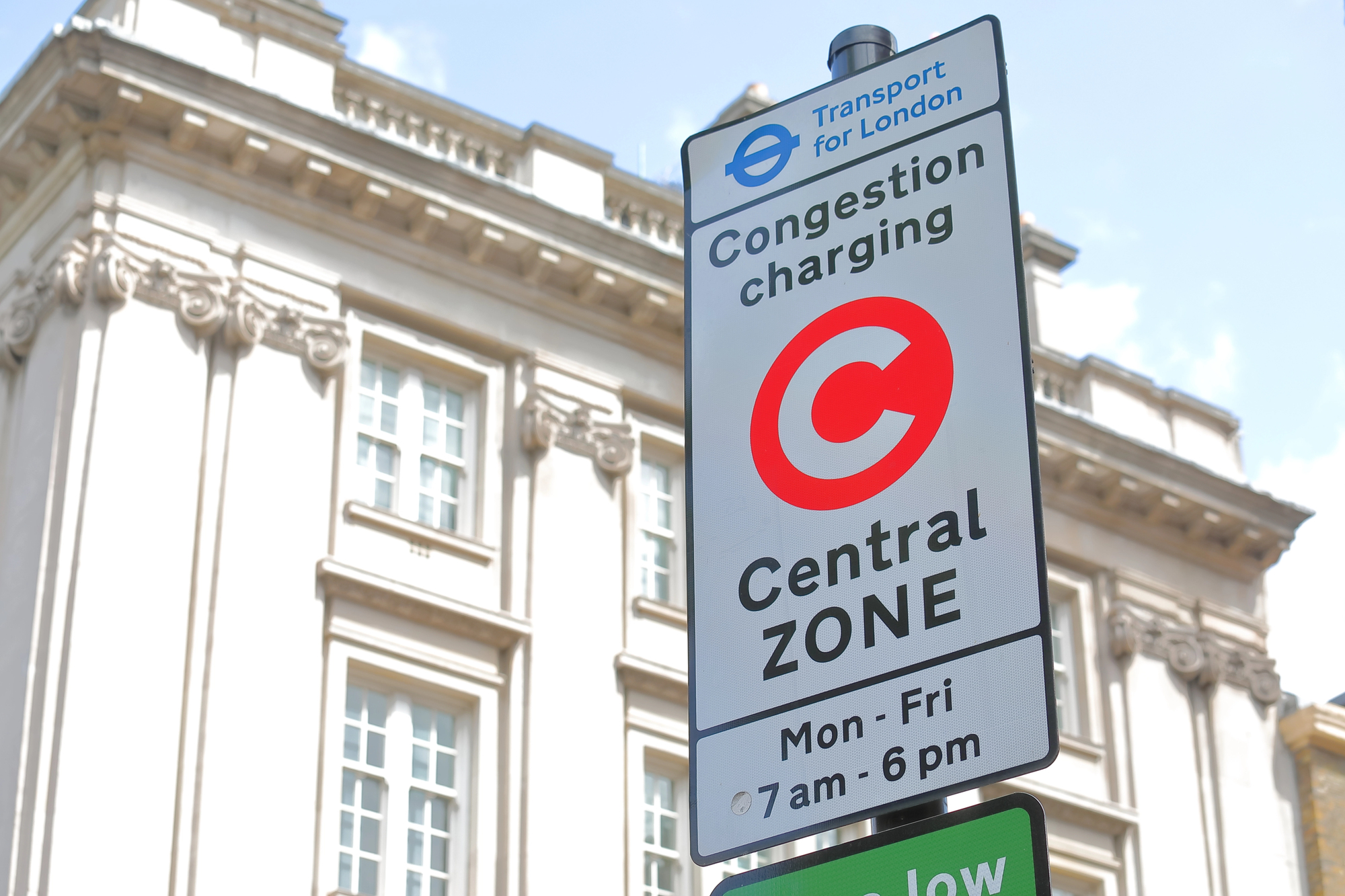
Fees also show up in areas where the state manages scarce resources. Parking charges, tolls, congestion charges, or facility bookings can operate as fees, with pricing used to control usage and fund maintenance.
Fees can reflect cost, policy, or demand
Some fees try to match the cost of delivery. Others include a policy component, where higher prices discourage heavy use or fund wider system costs.
This is why fees are often controversial. People assume a fee must match the cost precisely. In reality, governments and councils set fees through policy choices, and that can push fees above direct delivery costs.
Still, the defining feature remains: a direct service, permission, or access sits on the other side of payment.
Examples that fit the definition cleanly
Clear UK examples include passport application fees, driving licence fees, court filing fees in civil matters, planning application fees, and some local authority service charges.
Many transport charges also behave like fees, even when the system feels punitive. The test is whether the charge is paid to access a service, not as a penalty after wrongdoing.
If payment unlocks a service, it usually lives in the fee category.
Fines: penalties for breaking rules
Fines exist to punish and deter. They are part of enforcement, not part of service delivery.
A fine follows an infraction
Speeding fines, court-imposed fines for offences, and penalty charge notices exist after a rule breach. The state is not selling a service. It is responding to conduct that the law defines as unacceptable.
This is why fines carry additional features that fees and taxes do not:
- A legal finding or administrative determination of breach
- A process for challenge or appeal
- Escalation steps if unpaid
- In some cases, points, bans, or criminal consequences beyond money
Fines also vary by system. Some are fixed. Some scale by severity. Some reflect income. The purpose stays consistent: deterrence and sanction.
Fines are not pricing, even when they look like it
Parking enforcement causes confusion. A parking charge at a meter can be a fee, paid up front for use of a space. A penalty charge notice is a fine, issued after a breach of restrictions.
That difference matters. A fee implies a legitimate transaction. A fine implies a breach and a dispute process, even if you accept fault.
The same pattern appears in transport and emissions zones. Paying a charge to enter a zone can be a fee. Being penalised for entering without meeting rules is a fine.
Examples that fit the definition cleanly
Common examples include speeding fines, court fines for offences, penalty charge notices for parking, and penalties for regulatory breaches.
If the payment is triggered by wrongdoing, it belongs in the fines bucket, even if the amount funds local budgets.
The messy middle: charges that look like one thing but act like another
Some charges sit in grey areas and spark debates. Labels can be political. The underlying structure still gives you a way to classify them.
Taxes labelled as fees
Governments sometimes use the word fee for something that behaves like a tax. The charge might apply broadly, fund general activity, and lack a clear service link. The label can soften public reaction, yet the mechanics remain tax-like.
To test it, ask two questions. What triggers payment? Where does the money go? If it applies broadly and funds general spending, you are looking at a tax in practice.
Fees that feel punitive
Some fees exist in compliance systems and rise sharply when you miss deadlines or breach administrative rules. Late filing charges, missed renewal fees, and surcharges can feel like fines.
The difference is the foundation. A fine is a punishment for wrongdoing. A surcharge on a fee can be an administrative enforcement tool tied to the original service. The result feels similar, yet the legal structure differs.
Civil penalties and fixed notices
Fixed penalties often blur language. Some are criminal, some are civil, some sit in regulatory schemes. What matters for your understanding is still the trigger. Breach triggers the payment, so they behave like fines.
If you must pay even though you did not request a service, and the reason is a breach, treat it as a fine in practical terms.
How to tell what you are paying in seconds
When you see a charge, do not focus on the label. Focus on the mechanism…
Three quick tests that rarely fail
Ask these questions:
- Did I request a service or permission?
- Did I break a rule?
- Is this raised to fund general spending?
If you requested a service, think fee. If you broke a rule, think fine. If neither applies and payment is mandatory, think tax.
Use the paperwork to confirm the category
A fine usually comes with an allegation, a reference to a rule, a process for challenge, and escalation steps.
A fee usually comes with a service description, an application process, and a receipt-style structure.
A tax usually sits in a broader system with regular collection, defined liability, and a separate enforcement pathway for non-payment.
Why the difference matters in real life
Fees can sometimes be avoided by not using the service. Taxes usually cannot. Fines can often be challenged if facts are wrong, and ignoring them can escalate quickly.
Knowing the category also changes how you argue about it. If you dislike a tax, the debate is about policy and budgets. If you dislike a fee, the debate is about value and cost recovery. If you dislike a fine, the debate is about enforcement and fairness.
Keeping those lines clear stops people from talking past each other, and it helps you respond correctly the next time a charge lands in your inbox.