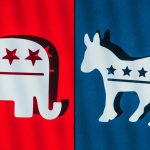

Inflation starts as a math problem, prices rising across the economy, then turns into a power struggle the moment households feel it. People experience inflation at the checkout, at the pump, and in rent, then they look for someone with a steering wheel. In the United States, that search collides with a system where pricing pressure can come from global forces, private sector decisions, and supply constraints, while political leaders still get judged for the outcome.
Inflation turns political at the point of pain
Inflation feels abstract in a chart and brutal in a weekly budget. That gap is where politics enters, even if the original price shock did not start in Washington.
Inflation is a lived experience, not a single number
The CPI tracks average price change for a basket of goods and services, meant to reflect what consumers pay in day to day life. That basket structure is useful for policy, yet families do not buy the average basket. A renter with a long commute feels inflation differently than a homeowner with a short drive.
That personal gap turns inflation into a story, not just a statistic. Two people can look at the same CPI release and argue from totally different realities, and both can be right about their own bills.
The political part arrives fast. When prices rise, voters do not debate index construction at the dinner table. They debate competence, priorities, and fairness.
Inflation is a fight about control and credit
Inflation becomes political when people ask two questions: who caused it, and who is fixing it. Those questions map neatly onto political incentives. Parties want credit when inflation slows. They want distance when it rises.
That blame game is not random. Research on recent US elections finds that people facing a higher personal inflation burden were more likely to support Republican candidates in the 2022 midterms. That is inflation turning into votes through household stress, not through ideology alone.
The result is predictable. Inflation keeps getting framed as a moral failure, not just an economic condition.
The US system splits responsibility on purpose
The American design divides power across institutions, which reduces the chance of one person controlling everything, and increases the chance of everyone arguing about who controls what.
The Federal Reserve controls demand conditions, not prices on a shelf
Congress assigns the Federal Reserve goals of maximum employment and stable prices, commonly called the dual mandate. The Fed does not set grocery prices. It influences financial conditions, which influence borrowing, spending, hiring, and investment.
That channel is indirect, yet powerful. Rate changes shift mortgage costs, car loan payments, credit card interest, and business financing. That changes demand pressure across the economy, which changes pricing power over time.
The politics enters through timing. Tightening policy can slow inflation and also slow growth, which creates a conflict over who pays the near term cost.
The President influences inflation through policy choices, not a dial
A president can shape fiscal policy priorities, sign legislation, set regulatory direction, and influence trade policy. Those choices can raise or lower demand, shift costs, and alter supply conditions. Yet none of that works like a direct control.
Trade policy is a clear example. Tariffs can raise prices for targeted goods and ripple through supply chains, which then shows up as inflation pressure. Reuters reported CBO estimates that certain US tariffs would raise inflation by an average of 0.4 percentage points in 2025 and 2026. Even when the exact number shifts with the policy design, the mechanism stays stable: policy can add cost pressure.
That still leaves a political reality. The president gets asked about inflation in every press conference, even when the main levers sit elsewhere.
Congress controls the fiscal stance, and that becomes a narrative war
Congress writes spending and tax laws, which shape demand in the economy. Those choices can reduce inflation pressure or add to it, depending on timing and scale. The debate turns partisan fast, as each side frames the same bill as relief or recklessness.
Budget mechanics add another layer. Inflation can raise federal revenues in nominal terms and also raise nominal spending for programs tied to inflation, while higher inflation paired with higher rates raises debt service costs. That creates real pressure inside the budget, which then becomes a political argument about priorities.
Inflation is not just prices. It is also budget stress, and that stress fuels political conflict.
Voters still blame presidents, even with divided power
This is the part that confuses people who love neat civics charts. In practice, voters reward or punish incumbents for economic outcomes, even when causes are mixed.
Economic voting is a feature of democracy
Political science research has long described retrospective economic voting, voters looking back at economic conditions and assigning credit or blame to the party in power. Inflation fits that pattern cleanly, since it is visible, frequent, and hard to ignore.
A rising price level acts like a tax on attention. People do not track real wage indexes. They track whether their paycheck keeps up with groceries and rent. That shapes political judgement in a blunt way.
The political effect does not require voters to hold a perfect model of monetary policy. It requires them to feel that life got harder.
Inflation concentrates anger in ways unemployment does not
Unemployment is devastating, yet it is not universal at any one time. Inflation touches almost everyone, weekly, in small hits that pile up. That ubiquity turns it into a shared grievance.
Inflation also feels like betrayal. Prices rise, pay often lags, savings lose real value. That combination produces a sense of unfairness that invites political messaging.
That is why inflation becomes a campaign weapon even when a global supply shock started the cycle.
Partisanship shapes perception, then perception shapes politics
People interpret economic signals through partisan identity, which can polarize evaluations of the same economy. Research on polarization in economic evaluations finds that partisan attachment can predict economic perceptions, especially outside deep downturns.
That creates a loop. Leaders talk, supporters hear a story that fits their team, then surveys record different realities. Inflation then becomes political twice, once in lived prices, then again in perceived meaning.
The result is more conflict, not more shared diagnosis.
Even the measurement becomes political
Inflation looks like a number, yet every number rests on choices: what is measured, how it is weighted, and how it is explained to the public.
CPI is a careful tool, and it still frustrates people
The CPI measures average price change for a representative basket, based on what consumers buy. That method is transparent and useful. It still produces anger when it does not match a household’s reality.
A family paying rising rent will feel the squeeze even if goods prices cool. A household with stable housing costs might feel relief sooner. The CPI can track both, yet people anchor on their own bills.
Politicians then cherry pick categories. They point to gas, eggs, rent, or airfare, depending on what helps the message.
Policy targets use different inflation concepts than kitchen tables
The Fed tracks multiple inflation measures, including PCE inflation, not only CPI. CPI is still the one most consumers see and feel. That split lets political actors pick the metric that helps their argument.
It also creates confusion. When people hear inflation is falling and their grocery bill still feels high, they assume someone is lying. Often, the truth is that inflation can slow while the price level stays high. Slower increase still means increase.
That basic misunderstanding keeps inflation political, as messaging fills the gap.
Why inflation debates turn into fights about values
Inflation is not just a technical dispute. It is a conflict over who absorbs costs, who gets protected, and whose pain counts.
Inflation creates winners and losers
Borrowers can benefit when inflation reduces the real burden of fixed rate debt. Savers lose real value when interest fails to keep up with inflation. Workers with strong bargaining power can keep up, others fall behind.
Those splits align with politics. Housing policy, wage policy, benefit indexation, and tax policy all affect who gets buffered. That turns inflation policy into a distributional fight.
People often argue about inflation while actually arguing about who deserves relief.
The cure carries pain, and politics decides how it gets shared
Tighter monetary policy can slow inflation by cooling demand. It can also raise unemployment risk and raise borrowing costs. That trade off sits at the center of the Fed’s mandate tension between stable prices and maximum employment.
Fiscal restraint can also cool demand. It can also reduce public services or shift burden through taxes. Each path creates a political fight about fairness.
Inflation becomes political even in a purely domestic price shock, since every credible fix involves trade offs.
What to watch if you want to separate noise from reality
You cannot remove politics from inflation, yet you can avoid getting played by simplistic narratives.
Track three things that actually move the story
Watch inflation breadth, how many categories are rising, not just one. Watch wage growth versus inflation, since that sets real purchasing power. Watch inflation expectations, since expectations can drive pricing behavior.
When inflation breadth narrows, the problem often becomes less sticky. When wages outpace inflation, households regain ground. When expectations stay anchored, the cycle is easier to break.
These signals matter more than a single viral headline about one product price.
Pay attention to roles, not personalities
The Fed manages monetary conditions under a legal mandate from Congress. Congress sets fiscal policy through spending and taxes. The president shapes policy direction and signs laws, yet does not control the Fed and does not set prices.
Inflation still hits politics, as elections respond to outcomes, not institutional diagrams. Keeping roles straight helps you judge claims without falling for theatre.